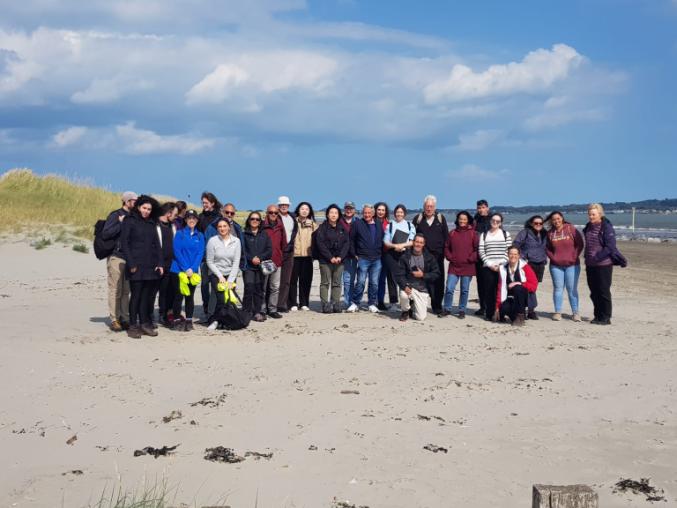
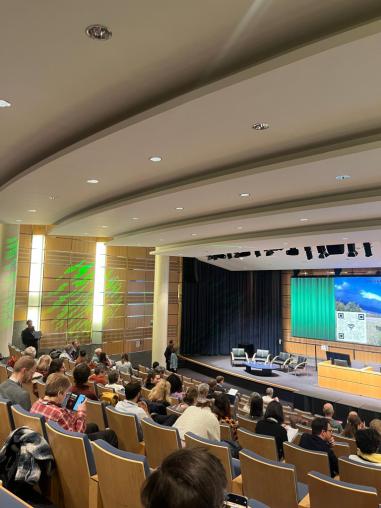
Image: Dublin Bay Field Excursion During the International Geographical Congress As part of the International Geographical Congress in Dublin, REWRITE conducted a successful field excursion at the ‘Dublin Bay’ demonstration site.
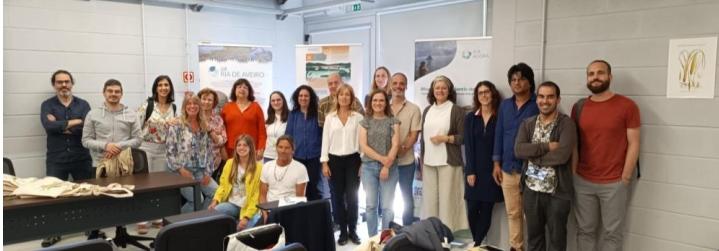
Image: REWRITE Activities at the ‘Ria de Aveiro’ Demo Site: Restoration Workshop and Living Lab Launch The REWRITE project recently achieved a major milestone with the launch of a Restoration Workshop and Living Lab at the ‘Ria de Aveiro’ demo site.
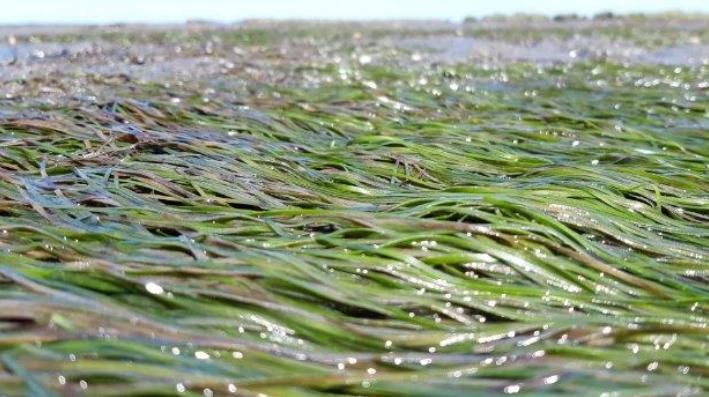
Image: Seagrass Restoration Actions at our Ria de Aveiro’ Demonstartion Site In order to revitalize the seagrass beds of Ria de Aveiro, the REWRITE project recently conducted six intensive days of seagrass restoration.
Image: Podcast: Ep 4 - The Brussels Wildcard: Europe's New Rules For Restoration In 2024, the European Union approved the Nature Restoration Regulation - a comprehensive framework requiring restoration measures on twenty per cent o
Image: Podcast: Ep 3 - Deep Roots: Romania's Forests and the Struggle for Proforestation Proforestation - the strategy of allowing existing forests to grow naturally without human harvesting or management - sounds simple in theory.
Image: Podcast: Ep 2 - The Swamp's Secrets Deep in Switzerland's Seeliwald Reserve, carnivorous plants digest insects to survive in nutrient-poor swamps, while ancient trees accumulate carbon u
Image: Podcast: Ep 1 - Primary or Not? A Forest Mystery in Bulgaria In Europe, only 1-3% of forests can be considered truly "primary" ecosystems that have never been directly managed by humans.
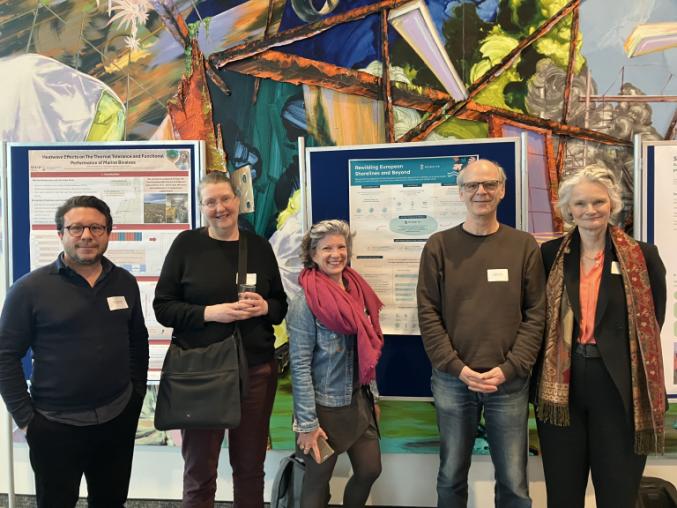
Image: Driving interdisciplinary coastal restoration: REWRITE at the German-Dutch Wadden Sea Programme kick-off On 29 January 2025, our REWRITERS gathered in Groningen for the Kick-off Meeting of the German-Dutch Wadden Sea Programme
Image: WHEN NATURE CAN DO THE JOB: Fostering Co-benefits for People and the Environment in View of the Nature Restoration Regulation On 19 March 2025, leading voices from science, policy, and practice came together in Brussels for the event “When Nature Can Do the Job”.
Image: Climate change and human activity are pushing coastal ecosystems to critical tipping points Globally, only about 15% of coastal areas remain intact, with the rest suffering from degradation, biodiversity loss, and increased vulnerability.
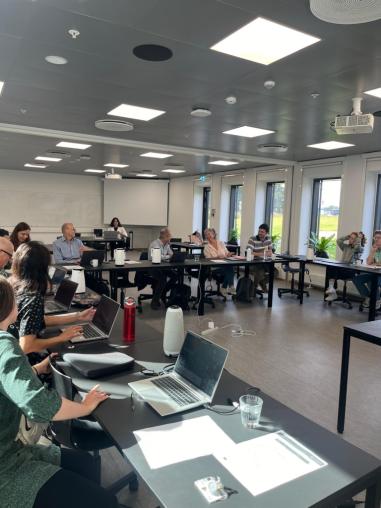
Image: Testing REWRITE’s Global Multi-Actor Laboratory in Odense The event served as a “mock” Global Multi-Actor Laboratory (G-MAL), one of the core participatory mechanism of REWRITE’s methodology.
Image: Unlocking Nature’s Potential: EU Funded Rewrite Project to Revitalise European Coastal Zones, Combat Climate Crisis and Protect Biodiversity We are excited to lead the REWRITE project and embark on this innovative journey to restore and rewild European coastal zones.