Image:
Moss and lichen growing in a crack on some dead wood.

wildE

wildE: climate-smart rewilding

An innovative approach to ecological restoration that benefits the climate and biodiversity while addressing the needs of local communities. 

Member is closed to wildE consortium members.

About the Project

Image:
The Sabor river with a wooded hill behind.

Human interference in natural ecosystems has caused wide-spread ecological destruction. To combat climate change and biodiversity loss, we need to restore significant areas of the ecosystems that we have destroyed.

To do so, we must step back and let nature take control.

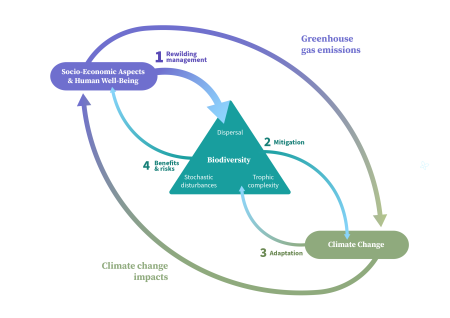
Rewilding is a form of ecological restoration centred around processes that help ecosystems to regulate themselves, whilst reducing human control and pressures. 

Rewilding has the potential to help us achieve our restoration goals and to mitigate the impacts of the environmental crises, but only if it is carried out on a much larger scale. By developing climate-smart rewilding, our vision is for a future where rewilded landscapes are valued and can support us in achieving our climate, land-use, economic and societal goals

What is rewilding?

Image:
Patches of green lichen growing on a tree trunk.

What we do

The wildE project uses detailed surveys and models to evaluate the potential impact of rewilding on carbon and biodiversity, today and in a warmer future. 

Image:
A grey map of Europe with the wildE case study countries in colour and the case study locations identified by green wildE leaf icons.

Where we work

In eight sites across Europe, we’re gathering first-hand information on rewilding in urban, peri-urban, and rural landscapes.